Read the room
We gather the useful details: group, purpose, dynamics, timing, venue and constraints.
Useful shared play can reveal how a group exchanges information and handles uncertainty. It should still feel like a good use of everyone’s afternoon.
 PLAY TESTED
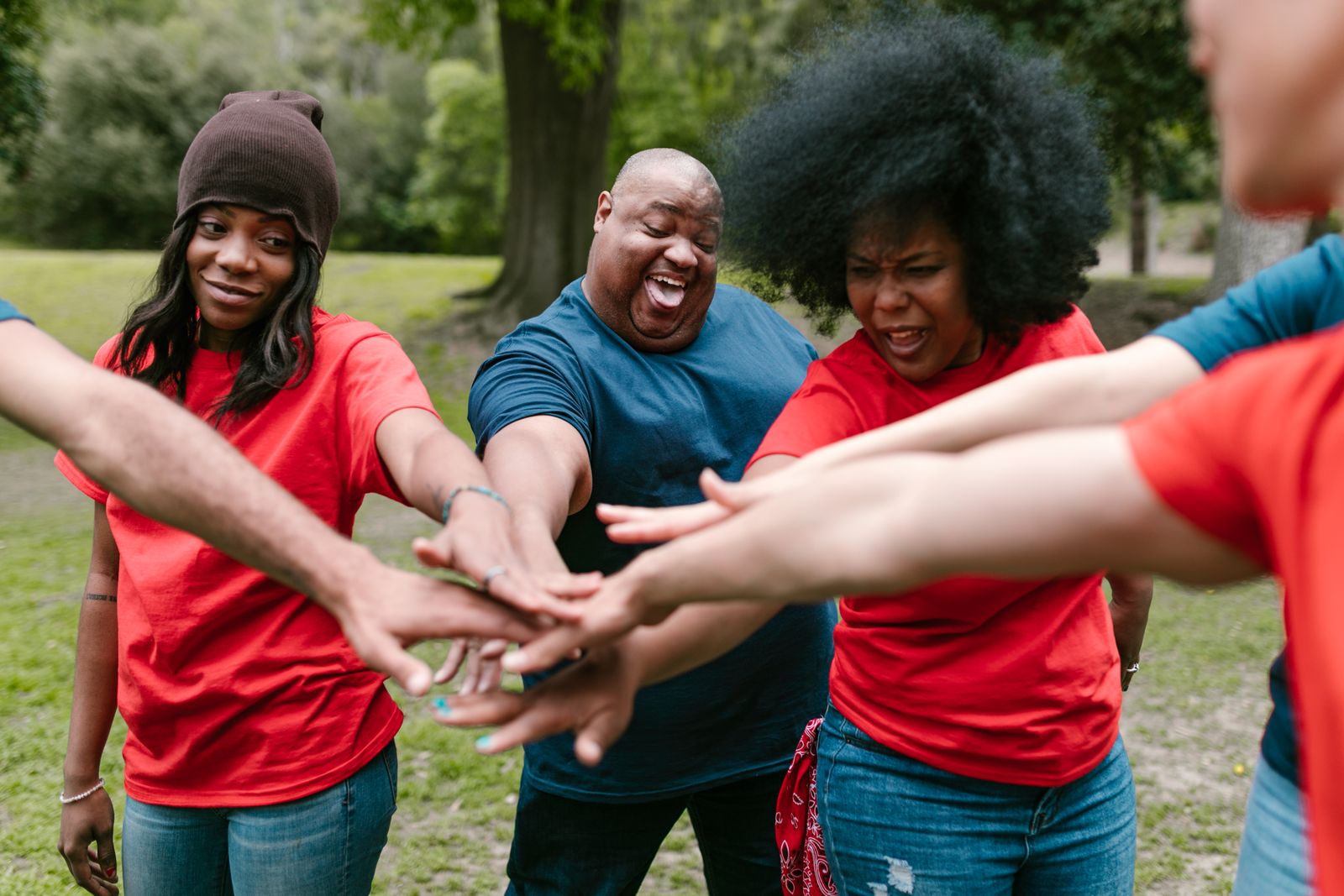
Illustrative photo — RDNE Stock project / Pexels
A cooperative problem feels different from a timed race. We agree whether teams should compete, trade information or work toward a shared finish — and make opting out of physical tasks straightforward.
Good play survives contact with the real room. These working checks protect the pace, the participants and the promise made in the brief.
We gather the useful details: group, purpose, dynamics, timing, venue and constraints.
Cooperation, discovery, creative building, social deduction or a deliberate mix.
A prototype exposes confusing rules and slow moments before they reach your guests.
We agree the final scope, staffing, equipment, access plan and wet-weather route.
Compact rounds built around clues, negotiation, deduction or making. Useful when the venue is seated and conversation matters.
Explore game design →Hosted formats where teams move through a shared challenge without relying on speed, strength or embarrassing performances.
Plan a team session →Branded or story-led interactions that guests can join between event moments, with a clear beginning and satisfying finish.
See event formats →